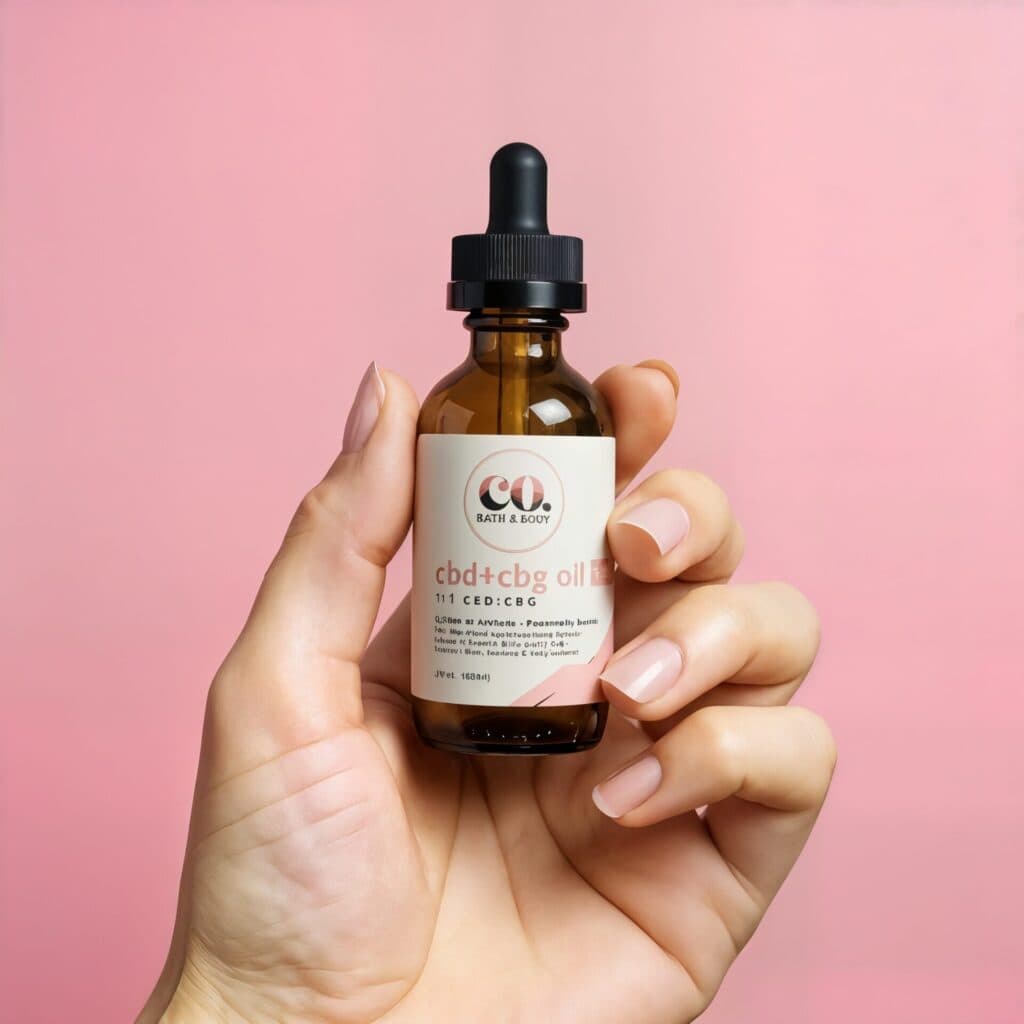
CBD skincare has gained attention for its potential to support skin health through natural plant compounds. Many use it to address dryness, redness, and signs of aging while promoting a balanced complexion. It combines the soothing and antioxidant properties of cannabidiol with topical formulas designed for daily skin care.
In 2025, CBD skincare products range from creams and serums to balms and masks, offering options for nearly every skin type. These products often include other skin-friendly ingredients , making them versatile for both targeted concerns and general maintenance. Understanding how CBD interacts with the skin helps in choosing products that match specific needs.
With more brands entering the market, quality and transparency matter more than ever. Lab-tested products from reputable companies ensure safety and consistent results, making them a smarter choice for anyone adding CBD to a skincare routine.
Key Takeaways
- CBD skincare may help improve skin balance and reduce common concerns
- Product quality and lab testing are important for safety and effectiveness
- Different formulas work for different skin types and goals
What Is CBD Skincare?
CBD skincare refers to topical products that use cannabidiol as an active ingredient. These products often come from hemp extract derived from the Cannabis sativa plant. They are designed for direct application to the skin and may include creams, serums, balms, and cleansers.
Defining CBD and Cannabidiol
CBD, short for cannabidiol , is a naturally occurring compound found in Cannabis sativa . It is one of over 100 cannabinoids identified in the plant.
Unlike some other cannabinoids, CBD does not cause a psychoactive effect. This makes it different from compounds like THC.
In skincare, CBD is usually extracted from industrial hemp, which contains very low levels of THC. Hemp-derived CBD is legal in many countries when it meets specific THC limits.
CBD in skincare is valued for its potential to support skin balance. It may help with dryness, redness, or irritation through its interaction with the skin’s endocannabinoid system.
Difference Between CBD and THC
THC (tetrahydrocannabinol) is the main psychoactive compound in cannabis. It creates the “high” associated with marijuana.
CBD and THC share a similar chemical structure but act differently in the body. CBD does not produce intoxication. THC binds more strongly to receptors in the brain, while CBD interacts in a way that does not trigger the same effects.
For skincare, hemp plants are preferred because they are bred to have less than 0.3% THC in most legal markets. This keeps products non-intoxicating while still offering the potential benefits of cannabinoids.
The table below highlights the key differences:
Types of CBD Extracts: Full-Spectrum, Broad-Spectrum, and Isolate
CBD skincare products use different extract types, each with unique characteristics.
Full-Spectrum CBD contains CBD plus other cannabinoids, terpenes, and small legal amounts of THC. This type may provide an “entourage effect,” where compounds work together.
Broad-Spectrum CBD also has multiple cannabinoids and terpenes but is processed to remove all detectable THC. This can be useful for those who want to avoid THC entirely.
CBD Isolate is the purest form, containing only cannabidiol with no other plant compounds. It is often used when a product needs precise CBD concentration without other cannabinoids.
Some users choose full- or broad-spectrum extracts for the added plant compounds, while others prefer isolates for their simplicity and THC-free profile.
How CBD Works for Skin Health
CBD interacts with natural systems in the body to help balance skin function, reduce irritation, and protect against environmental stress. When applied to the skin, it works locally without entering the bloodstream, making it suitable for daily skincare routines.
The Endocannabinoid System and Skin
The skin contains an endocannabinoid system (ECS) , which helps regulate processes like oil production, inflammation, and cell renewal. This system includes cannabinoid receptors (CB1 and CB2) found in skin cells.
CBD does not directly bind strongly to these receptors. Instead, it influences them indirectly and affects other receptors and enzymes that control inflammation and skin balance.
Research suggests CBD may help reduce excess sebum production , which can be useful for people with oily or acne-prone skin. Its anti-inflammatory properties may also help calm redness and swelling linked to conditions such as eczema or psoriasis.
In addition, CBD’s antioxidant activity can help protect skin cells from free radical damage caused by sun exposure or pollution, which may support healthier-looking skin over time.
CBD Absorption and Topical Application
CBD skincare products, such as creams, serums, and balms, are applied directly to the skin . The CBD interacts with receptors in the skin’s outer layers without entering the bloodstream.
Absorption depends on the product’s formulation. Oils and creams with carrier ingredients like coconut oil or hemp seed oil can improve penetration. Higher concentrations of CBD may offer stronger local effects, but they are not always necessary for daily use.
Topical CBD is often used for targeted areas —such as dry patches, irritated spots, or fine lines—rather than the whole body. People may notice benefits like reduced dryness, improved texture, or calmer skin after consistent use.
Safety and Skin Sensitivity
CBD is generally well tolerated in skincare, but skin sensitivity can vary. Some people may experience redness, itching, or mild irritation, often due to other ingredients in the product rather than CBD itself.
It is recommended to perform a patch test before applying a new CBD skincare product to larger areas. This involves applying a small amount to the inner forearm and waiting 24 hours to check for a reaction.
Consumers should also check for third-party lab testing to confirm CBD content and rule out contaminants like pesticides or heavy metals. This is especially important for those with sensitive skin or allergies.
Key Benefits of CBD Skincare
CBD in skincare can help reduce visible irritation, support skin hydration, and protect against environmental stress. It contains compounds that may calm redness, lock in moisture, and provide antioxidant support to help maintain healthy-looking skin.
Anti-Inflammatory and Calming Effects
CBD has anti-inflammatory properties that may help reduce redness and swelling in the skin. This can be useful for people with conditions like acne, eczema, or psoriasis, where inflammation plays a role.
It interacts with receptors in the skin’s endocannabinoid system, which may help regulate immune responses and calm irritation.
Many users report less visible redness after applying CBD creams or serums. While research is still developing, early studies suggest CBD can help soothe skin without harsh side effects often linked to steroid creams.
CBD may also be suitable for sensitive skin because it is generally well-tolerated and non-irritating when used in topical form.
Hydration and Moisturizing Properties
CBD skincare products often include carrier oils such as hemp seed oil, jojoba oil, or argan oil. These oils help hydrate and soften the skin, making them effective for dry skin .
CBD itself may help regulate oil production, which can benefit both dry and oily skin types. For dry skin, it can help reduce flakiness and improve the skin barrier’s ability to retain moisture.
A CBD-infused moisturizer can be used daily to maintain hydration levels. Some formulas also contain humectants like hyaluronic acid or glycerin, which draw water into the skin for lasting moisture.
Keeping skin hydrated not only improves comfort but can also make fine lines appear less noticeable.
Antioxidant and Anti-Aging Support
CBD contains antioxidants that help protect the skin from damage caused by free radicals. Free radicals can break down collagen and elastin, leading to wrinkles and loss of firmness over time.
By neutralizing these unstable molecules, CBD may help slow visible signs of aging. This makes it a useful ingredient in anti-aging creams and serums.
Some CBD products combine antioxidants with peptides or vitamins like C and E for added protection. This combination can help improve skin tone, reduce dullness, and support a smoother texture.
Regular use of antioxidant-rich skincare may help maintain youthful-looking skin while supporting its natural repair processes.
CBD Skincare for Specific Skin Concerns
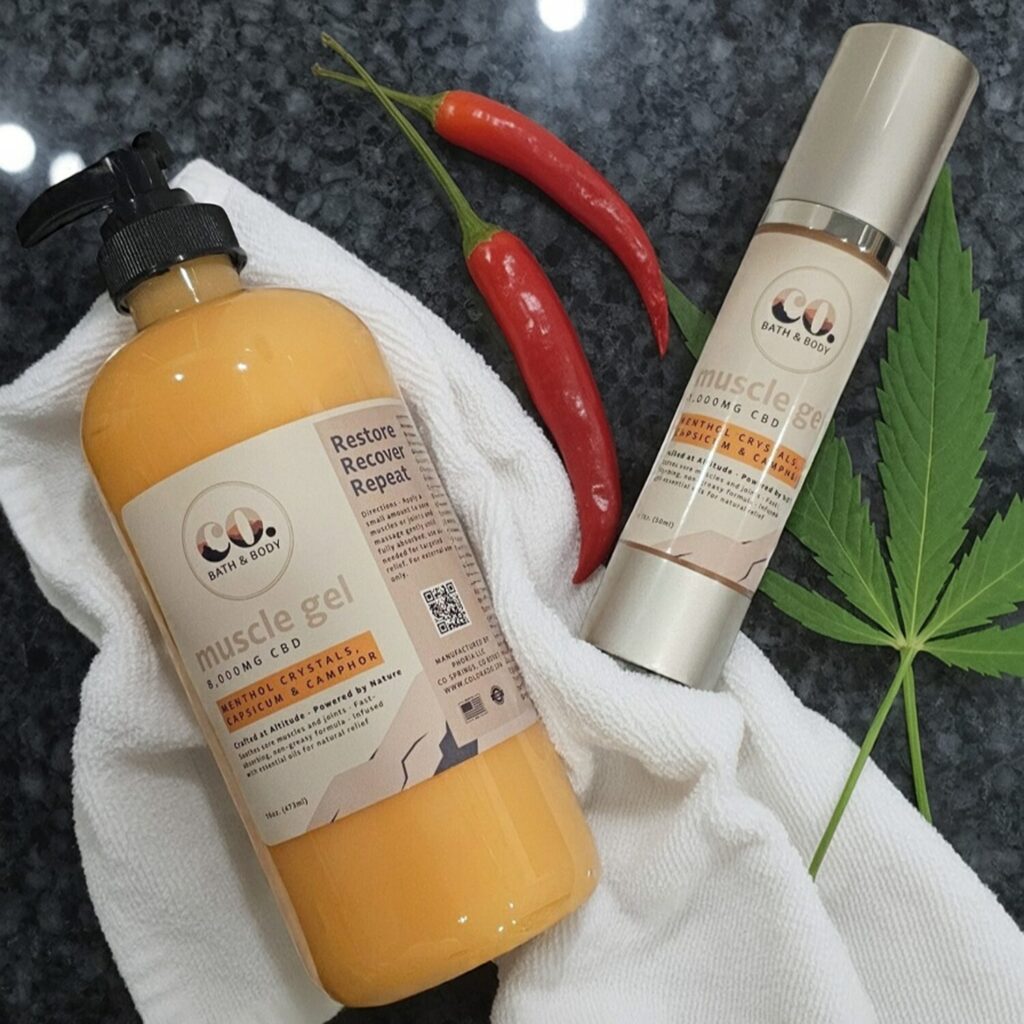
CBD in skincare may help target conditions linked to inflammation, dryness, and excess oil. Research suggests it can support skin balance by interacting with the body’s endocannabinoid system, which plays a role in regulating oil production and immune responses in the skin.
CBD for Acne and Breakouts
Acne often develops when sebaceous glands produce too much sebum, clogging pores and allowing bacteria to grow. CBD may help by reducing excess sebum production and calming inflammation in the skin.
Studies show that CBD’s anti-inflammatory properties can make breakouts appear less red and swollen. It may also help limit the activity of certain triggers that cause clogged pores.
Many acne-focused CBD products come in the form of lightweight serums or gels. These formulas absorb quickly and avoid heavy oils that could worsen breakouts.
Tips for use:
- Choose non-comedogenic CBD products.
- Apply after cleansing but before heavier creams.
- Pair with salicylic acid or niacinamide for added acne support.
Managing Eczema and Psoriasis
Eczema and psoriasis are chronic skin conditions linked to inflammation and overactive immune responses. They can cause dryness, itching, and patches of irritated skin.
CBD may help by reducing inflammatory signals in the skin and supporting its natural barrier function. This can make flare-ups less severe and improve moisture retention.
Topical CBD creams and balms often include other soothing ingredients like shea butter or aloe vera. These combinations can help hydrate and protect sensitive areas.
Common product types:
Reducing Redness and Irritation
Redness and irritation can result from environmental stress, allergies, or sensitive skin. CBD’s calming properties may help reduce visible redness by lowering skin reactivity.
It may also support recovery after sun exposure or contact with harsh products. Lightweight CBD serums or mists can deliver soothing effects without adding heaviness.
When using CBD for irritation, formulas with minimal added fragrance are best. Fragrance-free products lower the chance of further irritation while allowing CBD to work effectively on sensitive skin.
How to Use CBD Skincare Products
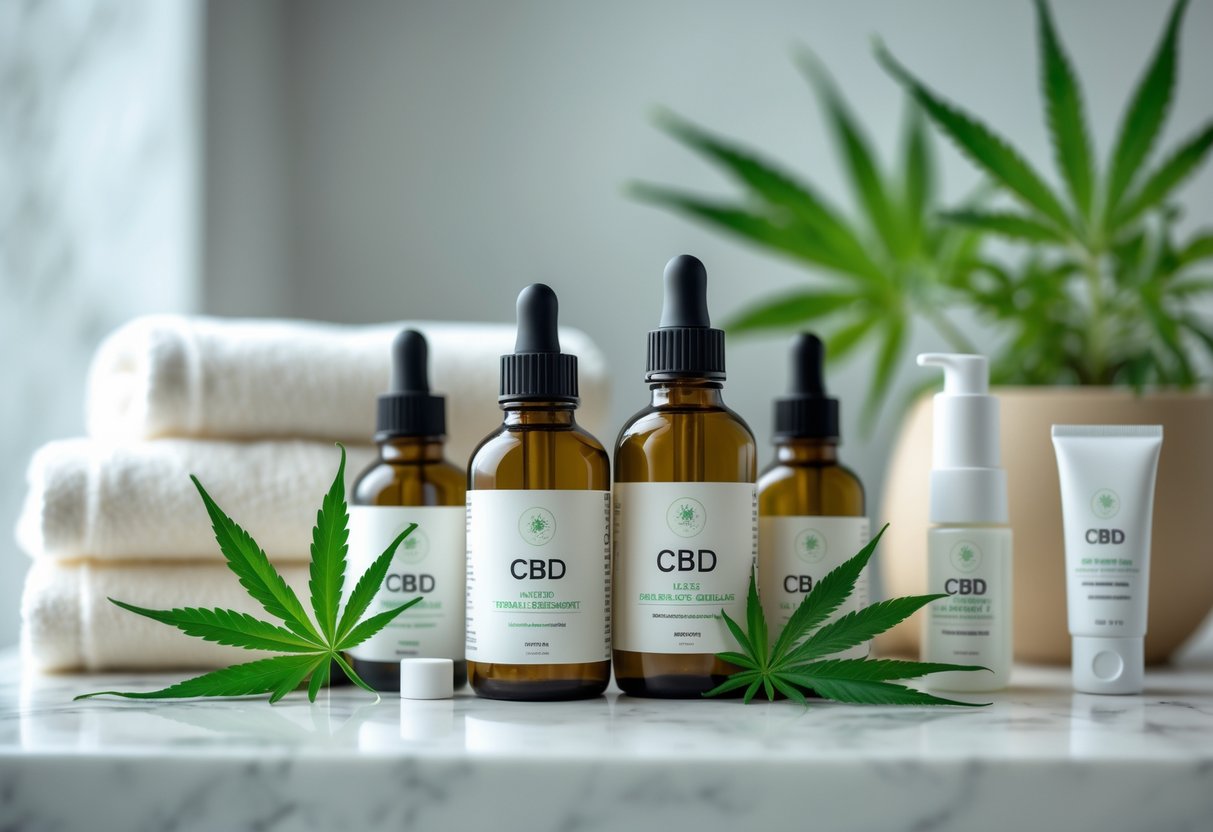
CBD skincare works best when applied in a consistent routine, paired with compatible ingredients, and adjusted for specific skin needs. Proper use can help maintain skin hydration, reduce irritation, and support overall skin balance.
Building a CBD Skincare Routine
Start with a gentle cleanser to remove dirt, oil, and makeup. This allows CBD creams, oils, or serums to absorb more effectively.
Apply CBD-infused products to clean, slightly damp skin. This helps lock in moisture and improves ingredient penetration. For example, a CBD cream with shea butter or aloe can provide hydration while calming redness.
Use CBD skincare once or twice daily, depending on skin type. Morning use may pair well with sunscreen, while evening use can focus on repair.
A sample routine:
Layering CBD with Other Ingredients
CBD can be layered with many common skincare ingredients. It pairs well with hyaluronic acid for hydration and antioxidants like rosemary extract for added protection.
When using active ingredients such as retinol or acids, apply CBD products afterward to help soothe potential irritation. Avoid mixing with strong exfoliants in the same step to prevent skin stress.
CBD oils can be used before heavier creams. For example, hemp oil with avocado oil can be applied under a CBD cream for extra nourishment . Always allow each layer to absorb for 30–60 seconds before adding the next.
Tips for Sensitive and Dry Skin
Those with sensitive or very dry skin may benefit from CBD creams containing aloe, shea butter, or avocado oil . These ingredients add moisture and help reduce tightness.
Apply CBD skincare to slightly damp skin after bathing to seal in hydration. Limit the use of harsh cleansers and avoid alcohol-heavy products that can strip oils.
Patch test new CBD cosmetics or makeup on a small area before full application. This helps check for reactions, especially when products also contain essential oils like rosemary.
Choosing the Best CBD Skincare Products in 2025
CBD skincare in 2025 offers more options than ever, with products ranging from broad-spectrum CBD oil serums to hemp extract creams. Quality depends on factors like ingredient sourcing, extraction methods, and product type, as well as brand reputation and third-party testing.
What to Look for in Quality CBD Products
A quality CBD skincare product should list the exact amount of CBD in milligrams per container. This helps confirm potency. Products should also state whether they use full-spectrum , broad-spectrum , or CBD isolate . Broad-spectrum CBD oil contains multiple cannabinoids but no THC, which may appeal to some users.
Third-party lab reports are essential. They verify CBD content, check for contaminants, and confirm the absence of harmful levels of pesticides or heavy metals. Brands should make these certificates of analysis (COAs) easy to access.
Look for skincare formulas that combine CBD with beneficial ingredients such as hyaluronic acid, vitamin C, or ceramides. Avoid products with unnecessary synthetic fragrances or harsh alcohols that may irritate the skin. Packaging should be airtight and light-protective to preserve CBD stability.
Top CBD Beauty and Skincare Brands
Several brands have built strong reputations for consistent quality and transparency. Herbivore Botanicals , Josie Maran , and Cannuka are known for combining hemp extract with natural botanicals. Vertly and Kiskanu focus on small-batch production with organic ingredients.
Some companies, like Superflower and Lord Jones , emphasize luxury skincare, offering serums and creams with broad-spectrum CBD oil in carefully balanced formulas. Others, such as CBDfx and Charlotte’s Web , provide a wider range of CBD products, including both beauty and wellness items.
When comparing brands, consider their ingredient sourcing, whether their hemp is organically grown, and how transparent they are with lab testing. Consistency in product batches is also a sign of a reliable manufacturer.
Popular CBD Product Types for Skin
CBD skincare comes in several forms, each serving different needs:
Sheet masks, lip balms, and body oils are also popular. Choosing the right type depends on skin type, personal preference, and desired results.
Frequently Asked Questions
CBD skincare products can offer specific benefits such as reducing dryness, calming irritation , and supporting skin balance . Their effects depend on product quality, formulation, and how CBD interacts with the body’s natural systems.
What are the proven skin benefits of using CBD-infused products?
Studies suggest CBD may help reduce inflammation and redness in the skin. It can also provide antioxidant effects, which may protect against environmental stress. Some users report improved hydration and smoother texture after regular use.
How does CBD interact with the skin’s endocannabinoid system?
The skin has cannabinoid receptors that are part of the endocannabinoid system. CBD can bind to or influence these receptors, which may help regulate skin functions like oil production, barrier repair, and inflammation response.
Can CBD skincare products help with acne or eczema, and if so, how?
CBD’s anti-inflammatory properties may help reduce swelling and irritation linked to acne and eczema. Early research shows it might also help control excess sebum, which can reduce clogged pores. For eczema, CBD may support barrier function and moisture retention.
What should I look for on the label when choosing a CBD skincare product?
Check for the type of CBD used—full-spectrum, broad-spectrum, or isolate. Look for third-party lab testing to confirm purity and potency. Review the ingredient list for potential allergens or irritants, and note the CBD concentration per container.
Are there any side effects associated with using CBD in skincare routines?
Most people tolerate CBD skincare well, but mild irritation or redness can occur, especially with sensitive skin. Side effects are more likely from other ingredients in the formula than CBD itself. A patch test can help identify reactions before full use.
How do CBD skincare products differ from other skincare products on the market?
CBD products contain cannabinoids that interact with the skin’s endocannabinoid system, unlike standard creams or lotions. They may target inflammation and oxidative stress in ways traditional skincare does not. The presence of hemp-derived compounds sets them apart in formulation and potential effects.
About the Author

Jessica Altman
Jessica Altman is a small business owner, master soap maker, and passionate advocate for natural skincare. With over a decade of experience in the industry, Jessica has honed her craft to create some of the most luxurious and effective soaps on the market. Her commitment to using only the highest-quality ingredients and sustainable practices has earned her a loyal following of customers who appreciate her dedication to both their health and the environment.
View author profile