Shea butter has gained popularity in skincare for its natural moisturizing properties. It is rich in vitamins and fatty acids that nourish the skin, making it suitable for various skin types. Many people have turned to this ingredient not just for its benefits but also for its historical roots in African traditions.

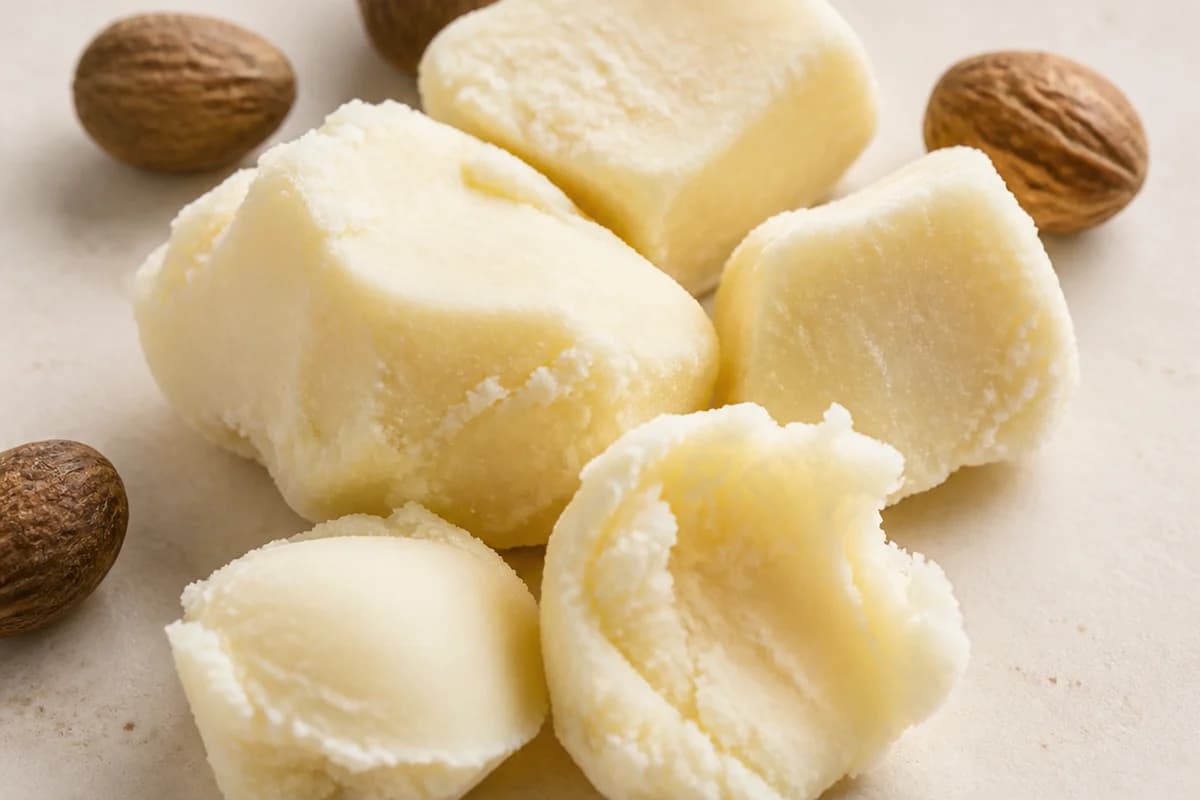
Known for its smooth texture, shea butter is derived from the nuts of the African shea tree. This natural emollient has been used for centuries to soothe and hydrate the skin. Whether addressing dry skin or serving as a base for lotions and creams, shea butter stands out as a versatile skincare choice.
Every skincare routine can benefit from the addition of shea butter, whether for daily moisture or targeted treatment. Readers will discover practical tips and insights on how to effectively incorporate shea butter into their routines for optimal results.
Key Takeaways
- Shea butter is an effective moisturizer beneficial for all skin types.
- It has historical significance and uses in various cultures.
- Ethical sourcing is important when selecting shea butter products.
Historical Origins of Shea Butter
Shea butter has a rich history that dates back thousands of years. Its traditional uses highlight its importance in African cultures, while its adoption in Western skincare shows its growing global appeal.
Traditional Uses in Africa
Shea butter has been used for centuries in various African communities. Women traditionally extract it from the nuts of the shea tree, known as Vitellaria paradoxa . The process involves drying, roasting, and grinding the nuts.
The butter is celebrated for its moisturizing properties. It is often applied to the skin to treat dryness and protect against the elements. Additionally, shea butter is used in cooking and for medicinal purposes, such as healing minor wounds and soothing skin irritations.
Cultural significance also plays a role. In many African societies, shea butter is linked to rituals and traditions, emphasizing its value beyond mere skincare. It represents heritage and communal knowledge passed down through generations.
Integration into Western Skincare
The introduction of shea butter to Western markets began in the late 20th century. Its benefits for skin health caught the attention of consumers and manufacturers alike. Today, shea butter is a popular ingredient in various products, including lotions, creams, and soaps.
In Western skincare, shea butter is valued for its ability to provide deep hydration. It contains essential fatty acids and vitamins that promote skin health.
As awareness grew, so did the methods of sourcing shea butter. Many brands now focus on fair trade practices, ensuring sustainable production while supporting African communities. This shift highlights the importance of ethical ingredients in modern skincare.
Extraction and Refinement Process
The process of obtaining shea butter begins with harvesting shea nuts from the shea tree and follows through various extraction techniques. After extraction, refining the butter ensures it meets quality standards for skincare products.
Shea Nut Harvesting
Shea nuts are harvested from the shea tree, which grows primarily in West Africa. The nuts are usually collected between June and August when they are ripe.
Harvesting is done by hand, as the nuts grow on the tree high above the ground. Collectors shake the trees to dislodge the nuts or pick them directly from the ground.
Quality is essential; only healthy nuts are chosen. They are then dried in the sun to reduce moisture, which helps prevent spoilage during the extraction process.
Butter Extraction Techniques
Several methods can be used to extract shea butter from the harvested nuts. Traditional techniques include water extraction and mechanical extraction .
- Water Extraction : The shells of the shea nuts are removed, and the kernels are boiled with water. After boiling, the butter rises to the surface and is skimmed off.
- Mechanical Extraction : This approach uses machines to press the kernels, efficiently separating the oil from the solids.
- Solvent Extraction : Chemicals can also be used to dissolve the oils, but this is less common due to potential residue concerns.
Each method has its benefits. Mechanical extraction is widely favored for its efficiency and ability to produce high-quality butter.
Refinement & Commercial Availability
After extraction, shea butter often undergoes a refining process. This step enhances the butter’s quality and shelf life.
Refining can include filtering and deodorizing to remove impurities and unwanted odors.
Some companies choose to leave shea butter in its raw state for a more natural product.
Commercially, refined shea butter is more popular in skincare products because it is more consistent in quality and shelf stability.
Shea butter can be found in various forms, such as creams, lotions, and balms, making it widely available for consumers.
Properties of Shea Butter

Shea butter is known for its rich composition and numerous benefits for skin care. Its unique properties come from its vitamins, fatty acids, and natural healing abilities. Each aspect plays a vital role in enhancing skin health and appearance.
Vitamins and Fatty Acids Content
Shea butter is abundant in vitamins, especially Vitamin A and E. These vitamins are essential for promoting skin health, as they provide nourishment and combat free radicals.
In addition, shea butter contains fatty acids such as oleic, stearic, linoleic, and palmitic acid. These fatty acids help in restoring skin moisture and elasticity. They create a protective barrier that locks in hydration while keeping harmful elements out.
This combination of vitamins and fatty acids makes shea butter effective for various skin types, especially dry or sensitive skin.
Anti-inflammatory Benefits
Anti-inflammatory properties are significant in shea butter. It contains compounds that soothe irritated skin and reduce redness.
This is particularly beneficial for those with conditions like eczema or rosacea. Many dermatologists recommend shea butter for its calming effects. This makes it a great option for those with reactive or easily irritated skin.
Using shea butter can help alleviate discomfort while promoting a healthier complexion. Its natural composition ensures that it won’t cause additional irritation.
Moisturizing Efficacy
Shea butter is recognized for its exceptional moisturizing capabilities. It is a natural emollient, meaning it softens and smooths the skin.
When applied, it penetrates deeply to hydrate the skin without leaving a greasy residue.
This quality is due to its rich mix of fatty acids that help repair the skin’s moisture barrier. Regular use can lead to improved skin texture and hydration levels.
For those experiencing dryness or rough patches, incorporating shea butter into their routine can provide noticeable results.
Application in Skin Care Products

Shea butter is a versatile ingredient widely used in various skin care products. Its nourishing properties make it ideal for lotions, hair treatments, and lip care. Below are key applications highlighting its benefits.
Lotions and Creams
Shea butter is commonly included in lotions and creams due to its rich, moisturizing properties. It is known for soothing dry skin and providing essential hydration. The natural fatty acids in shea butter help to improve skin elasticity, making it beneficial for aging skin.
When used in formulations, shea butter can also create a protective barrier. This barrier locks in moisture while shielding the skin from harsh environmental factors. Users often notice softer, more radiant skin after regular use.
Additionally, shea butter can be combined with other beneficial ingredients like aloe vera or vitamin E. This combination enhances its soothing properties and reinforces skin protection.
Conditioners and Hair Treatments
In hair care, shea butter acts as an excellent conditioner. It penetrates the hair shaft, providing much-needed moisture and nourishment. This is especially helpful for dry or damaged hair.
Shea butter helps in reducing frizz and enhances shine. It can also serve as a protective agent against heat styling tools. Many users find that it makes their hair more manageable and restores its natural luster.
Often found in hair masks or leave-in conditioners, shea butter is typically blended with oils like coconut or jojoba. These combinations maximize hydration and promote healthy hair growth.
Lip Balms and Moisturizers
Shea butter is a key ingredient in many lip balms and moisturizers. Its creamy texture allows it to glide smoothly on the lips, providing immediate hydration. This can help prevent chapping and keep lips soft.
In moisturizers, shea butter acts as both an emollient and occlusive agent. This means it not only moisturizes but also helps to lock in that moisture. Regular application can lead to smoother, healthier skin.
Lip care products often combine shea butter with other natural ingredients like beeswax or essential oils. This enhances both the flavor and the protective qualities of the balm.
Shea Butter for Different Skin Types

Shea butter offers unique benefits depending on various skin types. It is known for its versatility, providing essential moisture and soothing properties. Understanding how shea butter interacts with different skin types helps in choosing the right products.
Sensitive Skin Solutions
For those with sensitive skin, shea butter is a gentle option. Its natural composition helps to calm irritation and redness. The anti-inflammatory properties make it effective for soothing conditions like eczema and psoriasis.
Using raw, unrefined shea butter can enhance its benefits. This type retains more nutrients and is free from harsh chemicals. A small amount can be applied directly to affected areas, providing relief without aggravating the skin.
Shea butter’s rich texture helps create a protective barrier against environmental irritants. This is essential for sensitive skin, as it shields it and helps retain moisture.
Benefits for Oily Skin
Oily skin may benefit from shea butter as well. Although it seems counterintuitive, shea butter is non-comedogenic. This means it won’t clog pores, making it safe for those prone to breakouts.
Shea butter contains beneficial fatty acids that help balance the skin’s oil production. Instead of making skin oilier, it hydrates while preventing excess sebum production.
A light application can keep the skin moisturized without feeling greasy. It’s best to use a small amount and see how the skin reacts. Pairing shea butter with lighter oils, like jojoba, can enhance these properties.
Dry Skin Remedies
For dry skin, shea butter is often a go-to solution. Its emollient properties deeply moisturize the skin, providing long-lasting hydration. It helps lock in moisture, making it an excellent treatment for areas prone to dryness, like elbows and knees.
Using shea butter regularly can improve the skin’s overall texture. It can also reduce rough patches and flakiness, leading to a smoother surface.
To maximize its effectiveness, shea butter can be mixed with other nourishing oils, such as almond or coconut oil. This combination can offer added hydration and enhance the skin’s barrier against dryness.
Shea butter is a reliable choice for various skin types, ensuring softness and protection.
Usage Tips and Best Practices

Shea butter can be a valuable addition to any skincare routine. Knowing how to apply it and store it properly can enhance its benefits significantly.
Optimal Application Methods
When using shea butter, it is best to apply it to clean skin. This allows for better absorption and maximizes its moisturizing effects.
- Warm the Butter : Rub shea butter between palms until it softens. This makes it easier to apply.
- Target Specific Areas : Focus on dry areas like elbows, knees, or feet. For facial use, a small amount works well to avoid a greasy look.
- Use Before Bed : Applying it before bedtime gives it time to soak in, especially for those who wear makeup.
- Mix with Oils : Combine shea butter with a few drops of essential oil for added benefits. This also enhances the scent, making the application more pleasant.
Storage and Shelf Life
Proper storage of shea butter is crucial for maintaining its quality.
- Keep it Cool : Store shea butter in a cool, dark place, away from direct sunlight. This helps prevent it from melting or oxidizing.
- Use an Airtight Container : Keeping it in an airtight container can protect it from air exposure, ensuring longevity.
- Shelf Life : Pure shea butter can last about 1-2 years if stored correctly. Be mindful of changes in color or smell, as these may indicate spoilage.
By following these tips, it becomes easier to enjoy the benefits of shea butter while ensuring it remains effective and safe to use.
Ethical Sourcing and Sustainability
Ethical sourcing and sustainability in shea butter production focus on fair labor practices and environmental care. These principles ensure that communities benefit economically while protecting natural resources.
Fair Trade Considerations
Fair trade practices are crucial in shea butter production. Many producers are women in rural African communities. They often face challenges related to unfair wages and unsafe working conditions.
Companies committed to fair trade ensure that these workers receive fair pay and respect. This means improved livelihoods and empowerment for women. For instance, organizations like the Global Shea Alliance (GSA) work to support local communities by promoting fair trade standards.
Increased earnings from fair trade often lead to better healthcare and education opportunities. This creates a positive cycle that uplifts entire communities.
Environmental Impact and Preservation
Sustainable sourcing of shea butter involves protecting the environment. Shea trees play a vital role in the ecosystem, providing habitat for wildlife and preventing soil erosion.
Using methods that preserve these trees is essential. Sustainable practices include avoiding deforestation and managing land carefully. Many companies are now adopting these practices to ensure the longevity of shea production.
Moreover, eco-friendly initiatives can enhance the quality of the shea butter itself. Healthier trees produce better nuts, leading to higher-quality products. This balance between environmental health and product quality benefits both producers and consumers.
Frequently Asked Questions
This section addresses common questions about shea butter in skincare. It covers its benefits, top brands, potential side effects, application methods, and expert recommendations.
What are the known benefits of using shea butter in skincare?
Shea butter is recognized for its deep moisturizing properties. It helps soothe dry skin and provides relief for conditions like eczema. The rich nutrients in shea butter also support skin healing and promote a smoother texture.
Which are the top-rated shea butter skincare brands currently on the market?
Some of the top-rated brands include SheaMoisture, Better Shea Butter, and African Pride. These brands offer a variety of shea butter products that are popular for their quality and effectiveness in skincare.
Are there any potential side effects of using shea butter on the face?
While shea butter is generally safe, some individuals may experience allergic reactions. This can include redness, itching, or breakouts. A patch test is advisable for those with sensitive skin.
How should shea butter be applied to the face for optimal results?
For best results, shea butter should be applied to clean, dry skin. A small amount can be warmed between the hands before gently massaging it into the skin. This helps enhance absorption and effectiveness.
Can shea butter be left on the face overnight, and what are the implications?
Leaving shea butter on the face overnight is safe for most people. It can provide intense hydration while sleeping. However, those with oily skin may want to use it sparingly to avoid clogged pores.
Do experts or dermatologists recommend the use of shea butter for skin health?
Many dermatologists recommend shea butter for its moisturizing and healing properties. It is especially beneficial for dry or sensitive skin. However, individuals should consult their dermatologist to ensure it suits their specific skin type.
About the Author

Jessica Altman
Jessica Altman is a small business owner, master soap maker, and passionate advocate for natural skincare. With over a decade of experience in the industry, Jessica has honed her craft to create some of the most luxurious and effective soaps on the market. Her commitment to using only the highest-quality ingredients and sustainable practices has earned her a loyal following of customers who appreciate her dedication to both their health and the environment.
View author profile